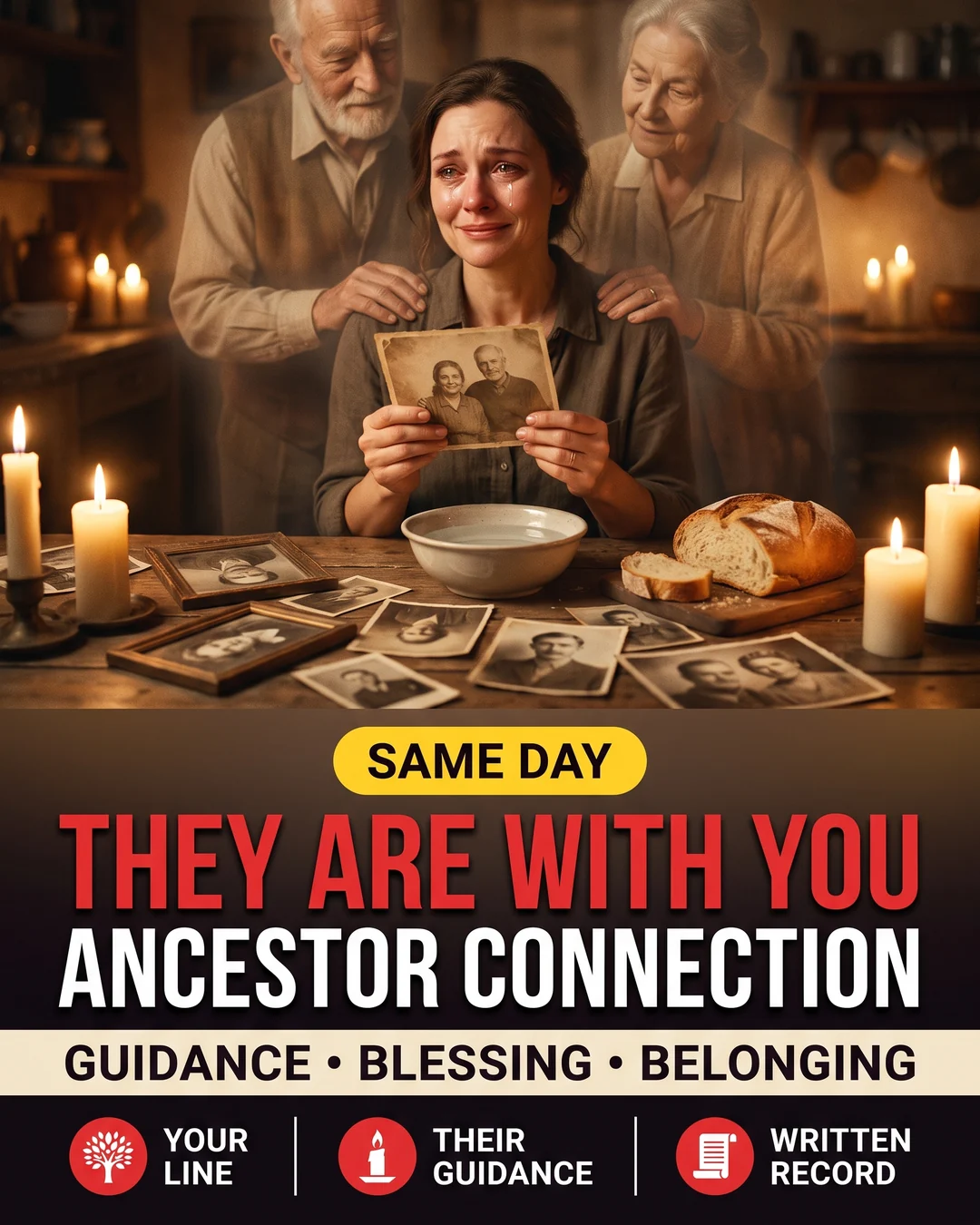
The oldest way to connect with your ancestors is remembrance. You say their names aloud, you light a candle for them, and you do something kind for someone else in their name. Across Anatolia and the Balkans this is still done on a Thursday evening, the eve of Friday, and it asks for nothing spooky: no summoning, no voices in the dark. The bond is kept by being remembered and by kindness that carries their name out into the world.
I have always found that people who ask how to connect with their ancestors are not looking for a séance. They want to feel less alone in their own family line, and they want some of the wisdom of those who came before to reach them.
Why remembrance, and not summoning
There is a difference between calling someone and remembering them. Calling asks the dead to come to you on your terms. Remembering goes to them on theirs. In the households I learned from, nobody would have dreamed of making a grandmother speak. You spoke of her. You cooked the dish she cooked. You gave a plate to the neighbour she would have given it to.
Guidance from ancestors, in this old understanding, rarely comes as a message. It comes as a remembered saying that surfaces at the right moment, or as a family instinct you did not know you carried until you needed it.
Simple ways to honour your ancestors at home
You do not need anything elaborate to begin.
- Learn their names. Ask the oldest relative you have. Write down every name you can find, even great grandparents you know only as "my mother's mother".
- Say the names aloud. Once a week is enough. Names that are spoken are not forgotten.
- Keep one small corner. A glass of clean water and a sprig of rosemary, the herb of memory, beside the written names is a quiet way to keep them present.
- Cook something of theirs. A family recipe carries more of a person than most keepsakes do.
- Do good in their name. Help someone, give something away, and say quietly for whom you are doing it.
The Thursday Candle working
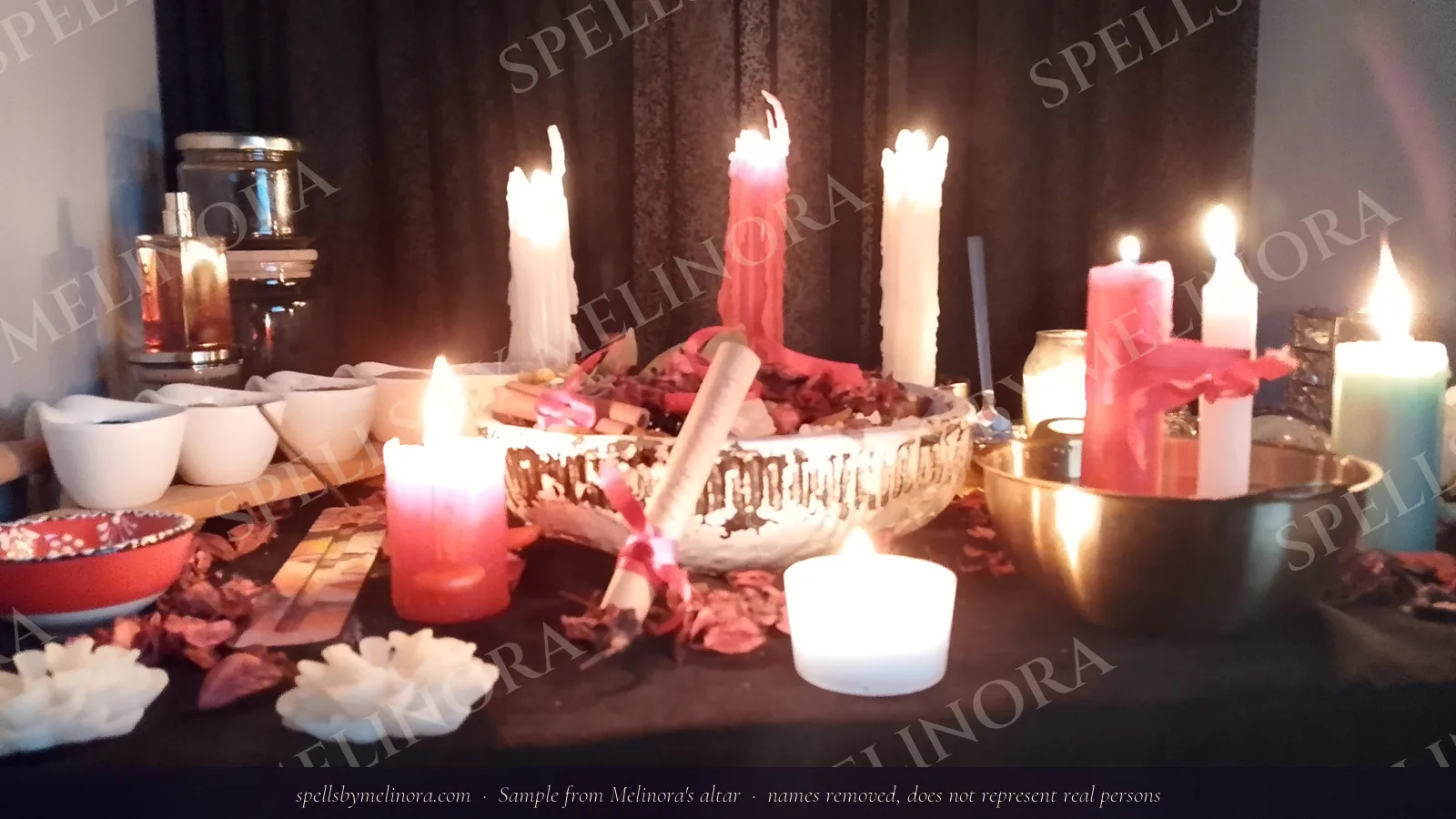
The working I cast for ancestral connection follows the old custom of remembering the dead on a Thursday evening. On that evening a white candle is lit. Beside it go a paper carrying the names of your ancestors, as many as you know, a glass of clean water and a sprig of rosemary. The names are spoken aloud, one by one, slowly enough that each one has its moment.
Then semolina helva is cooked, the sweet that Anatolian families have always made for the souls of those who have gone. Helva made this way is never for the one who cooks it. Every last plate is shared out to neighbours with the old words that it is given for the good of the departed. I keep none back for myself. That is the seal: the sweet leaves the house and ends up on other people's tables, carrying the names with it.
While the candle burns, the room is not left empty. Someone keeps it company to the end, because the evening belongs to the ones being remembered.
What you can bring to the working
If you know your ancestors' names, send them. If you do not, that is common and it does not weaken anything. "My father's father" or "my grandmother from the village" is a name too. Some people give one name, some give seven. Give the ones that matter to you.
Signs your ancestors are close
The signs people notice after remembrance are gentle and familiar rather than strange:
- An old saying of a grandparent comes to mind exactly when it is needed.
- A family keepsake or letter turns up in a drawer.
- A relative appears in a dream, calm and ordinary.
- You make a decision by asking yourself what they would have done, and it feels right.
What this working does not do
It does not raise anyone, make anyone speak, or pass on messages in the voice of someone who has died. I will not write words into a loved one's mouth. It is remembrance and kindness, and I think that is exactly why it has lasted so long.
If what you are carrying is heavy grief for someone recently lost, be gentle with yourself and lean on the living people around you as well. And if your wish is more about peace inside your present family than connection to past generations, a working for calm at home, or a New Beginnings Spell when a chapter has closed, may fit better. Many people pair ancestral remembrance with the Protection Spell for the household.
What you receive
After the Thursday Candle, I send you a written record of the evening: the names as they were spoken, how the candle burned, where the helva went, and the small signs worth watching for. Many people keep it with their family papers.
Frequently asked questions
How do I connect with my ancestors?
Learn and speak their names, keep a glass of water and a sprig of rosemary beside them, cook a family recipe, and do a kindness in their name. In the old tradition the bond is kept by remembrance rather than summoning.
What day is best to honour ancestors?
In Anatolian and Balkan custom, Thursday evening, the eve of Friday, is the traditional time to light a candle for the departed and share a sweet in their memory.
What if I do not know my ancestors' names?
Describe them instead, such as my mother's mother or my grandfather from the village. Remembrance does not depend on a full family tree.
What are signs that ancestors are with you?
Common signs are a remembered family saying arriving at the right moment, a keepsake turning up, a calm dream of a relative, and a strong sense of what they would have advised.
Ancestor Connection Spell
Their names spoken one by one on a Thursday evening, and a sweet cooked for their souls and given away, every plate of it.